Littledream: A Playful Handwritten Display Font for Crafters and Makers
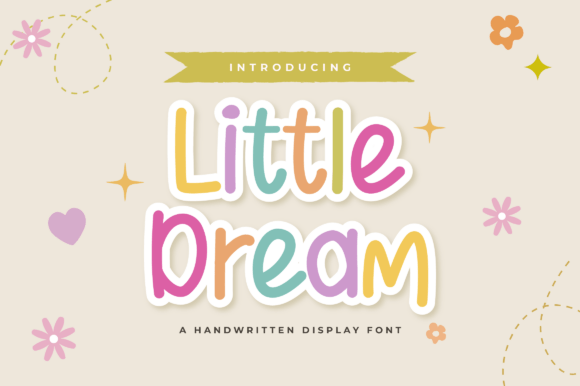
Last weekend I found myself staring at a blank candle label template, trying to decide whether a delicate script or a bold serif would best capture the mood I wanted for a new batch of lavender soy candles. Nothing felt quite right until I opened up Littledream, a whimsical handwritten display font that instantly brought the playful charm I had been searching for. This typeface, full of lighthearted curves and friendly strokes, transformed my plain label into something that felt handcrafted and personal, exactly the kind of warmth my handmade shop needed. If you are a maker, printable creator, or small business owner looking to infuse your products with personality, Littledream deserves a close look.
Testing Littledream on Candle Labels and Product Packaging
Littledream is a handwritten display font that shines on product packaging and labels, making it a natural fit for candle jars, bath product bottles, and gift boxes. I tested it first on a simple lavender candle label, setting the font size to around 36 points for the scent name and using a clean sans serif for the ingredient list below. The result was charming and approachable, with each letter feeling like it had been penned by hand. The font’s playful curves and slight irregularity gave the label a homemade feel that customers often associate with artisan quality. For product packaging, Littledream works best for short phrases and featured words such as product names, taglines, or decorative accents. Because it is a display font, it is not designed for long paragraphs or dense ingredient panels, but for the hero text on a label, it delivers emotional appeal that a standard serif or sans serif simply cannot match. If you create boutique tags, product hang tags, or branded packaging for your handmade shop, consider using Littledream for the main product name and pairing it with a simple sans serif for smaller details. This combination keeps the design readable while preserving the font’s whimsical character.
Littledream for Kids’ Projects and Classroom Printables
One of the most natural homes for Littledream is in kids’ projects and classroom printables. The handwritten display font feels right at home on reward charts, name tags, alphabet posters, coloring page headers, and classroom labels. I tested it on a set of printable reward stickers and a colorful classroom banner, and the font’s playful energy immediately made the designs feel more engaging for young children. The letterforms are open and friendly, with enough variation to keep the text visually interesting without confusing early readers. For teachers creating classroom printables, Littledream works beautifully for titles, section headers, and decorative phrases like “You Did It” or “Great Job.” It also pairs well with simple handwritten fonts or a clean sans serif for body text, allowing you to maintain readability while keeping a cohesive, cheerful look. When designing printables for children, always consider legibility at smaller sizes. I found that Littledream remains clear down to about 18 points for short words, but for longer phrases or smaller stickers, you may want to increase the size or use a simpler companion font for supporting text.
Littledream for Wedding Invitations and Handmade Cards
Wedding invitations and handmade greeting cards are another area where Littledream excels as a display font. The font’s handwritten charm brings a personal, heartfelt quality to invitation wording, especially for couple names, event titles, and short phrases like “Save the Date” or “Join Us.” I tested it on a mockup for a rustic garden wedding invitation, pairing Littledream with a classic serif font for the body details. The combination felt elevated yet approachable, perfect for an outdoor or casual celebration. The font’s playful curves add a sense of joy and celebration without feeling overly formal or stiff. For greeting cards, Littledream works wonderfully for the main sentiment on the front, such as “Happy Birthday,” “Thinking of You,” or “You’re the Best.” Because it is a display font, keep the message short and let the font do the heavy lifting emotionally. If you design digital templates for wedding suites or printable greeting cards, Littledream can become a signature part of your branding, giving your work a consistent, handcrafted identity that buyers will recognize. Always check whether the font includes ligatures and alternate characters, as these can add extra charm and variation to your invitation text. I found that using alternate glyphs for the first letter of the couple’s name created a more unique, custom look that felt less mass-produced.
How Littledream Performs on Stickers, Tags, and Small Labels
For makers who produce stickers, tags, and small labels, readability at reduced sizes is crucial. I tested Littledream on a sheet of vinyl stickers at various sizes, from large statement stickers at 2 inches down to tiny thank-you stickers at half an inch. The font performed well at medium to large sizes, keeping its playful character intact and remaining fully legible. At very small sizes, however, some of the finer details in the handwritten strokes began to blur, especially on matte paper. For small stickers and tags, I recommend using Littledream at 14 points or larger for short words, and ensuring your design software previews the text at actual production size before committing to a large print run. The font is a strong choice for product tags, gift tags, and boutique labels where the text is short and the design is meant to feel personal and handmade. For tiny ingredient labels or barcode stickers, stick with a clean sans serif and save Littledream for the decorative headline or brand name. If you use a cutting machine like Cricut or Silhouette for stickers and tags, test the font in your design software first to confirm that the letterforms cut cleanly without losing detail. I found that thicker strokes and well-spaced characters in Littledream worked well with my Cricut, giving smooth cuts for both print-then-cut and vinyl projects.
Font Pairing Ideas for Littledream with Sans Serif and Script Fonts
Pairing Littledream with a complementary font can elevate your design while keeping it readable and professional. Because Littledream is a whimsical handwritten display font, it works best when supported by a neutral, clean font for body text or secondary information. A simple sans serif font like Montserrat, Lato, or Open Sans provides a nice contrast to the playful curves of Littledream, making the overall layout feel balanced and intentional. For a more rustic or organic look, pair Littledream with a simple serif font such as Playfair Display or Lora, which adds a touch of elegance without competing for attention. If you want to create a layered, handcrafted look, you can also pair it with a more subdued handwritten font that has less personality, allowing Littledream to remain the star of the design. Avoid pairing it with another highly decorative or script font, as the two may clash and make the text difficult to read. In my own designs, I found that using Littledream for the main headline and a clean sans serif for the supporting text created a professional but approachable feel that worked well on product packaging, social media graphics, and shop banners. If you design for Etsy or other marketplaces, this kind of balanced font pairing can help your listing images look polished and trustworthy, which can encourage more clicks and purchases.
Commercial Licensing and File Formats for Littledream
Before using Littledream on products you intend to sell, always review the commercial licensing terms and included file formats. For handmade sellers, printable creators, and small shop owners, understanding whether the font license covers physical products, digital downloads, merchandise, or template sales is essential. Littledream should include the standard formats such as OTF, TTF, and possibly WOFF for web use. Check whether the font package includes alternate characters, ligatures, swashes, or multilingual support, as these extras can significantly expand your design options, especially for wedding invitations, printables, and personalized products. If you plan to sell physical items like mugs, shirts, tote bags, or signs with Littledream lettering, confirm that the license covers commercial use on merchandise. For digital products such as printable wall art, planner pages, or classroom templates, ensure the license allows you to embed the font in flat PDF files or use it in design templates for resale. Some fonts require an extended license for certain commercial applications, so reading the terms carefully before listing your products will save you headaches later. I always keep a folder with the license details for each font I use in my shop, including Littledream, so I can reference them quickly when launching a new product line. Taking this step ensures your business stays compliant and your creative work remains protected.